Luxe Looks on a Lean Budget

Today we explore budget-conscious upgrades that look effortlessly expensive, revealing small, strategic changes that shift a room from ordinary to polished. Expect practical tactics, proof-backed design principles, and approachable projects you can start this weekend. Share your before-and-after photos with us, compare notes, and let a few smart decisions amplify everything you already own without unnecessary spending.

Edit, Curate, Elevate

Begin by removing what distracts from your strongest pieces. Curate groupings with intent, leaving room for negative space to speak. Elevate everyday items by giving them context: a simple glass carafe on a wooden tray, a candle beside stacked books, a single framed photo perfectly centered. Editing costs nothing and delivers immediate sophistication.

Texture Over Logos

Quiet luxury favors tactile richness—linen, matte ceramics, brushed metals, boucle, and stone-inspired finishes—over obvious branding. When you prioritize feel and finish, even affordable items read as considered. A heavy cotton throw, chalky paint, and a warm wood grain can suggest craftsmanship. Subtle textures photograph beautifully, age well, and reward daily use without shouting for attention.

Scale and Breathing Room

Right-sized pieces create a sense of intentionality that looks expensive. Choose a rug large enough to ground furniture, a light fixture proportioned to the table, and art scaled to the wall. Then allow meaningful breathing room—no overcrowded surfaces or cramped corners. That controlled emptiness hints at confidence, making each item feel more valuable and purposeful.

Color, Paint, and Light That Transform

Paint and lighting produce the most dramatic upgrades per dollar. A coherent palette connects rooms, while flattering bulbs and layered fixtures sharpen architecture and textures. Use color to guide the eye toward focal points and away from imperfections. Strategic light placement, clean edges, and crisp contrasts create clarity, allowing even thrifted furniture to feel tailored and deliberate.

Crisp Paint Tricks

Choose a low-sheen, scrubbable finish for walls and a higher sheen for trim to create subtle depth. Tape carefully, caulk gaps, and extend color behind radiators and switch plates. Paint outlets to match the wall for seamlessness. A single, well-executed paint weekend can make low-cost curtains, frames, or cabinets read cleaner, cooler, and far more refined.

A Cohesive Palette

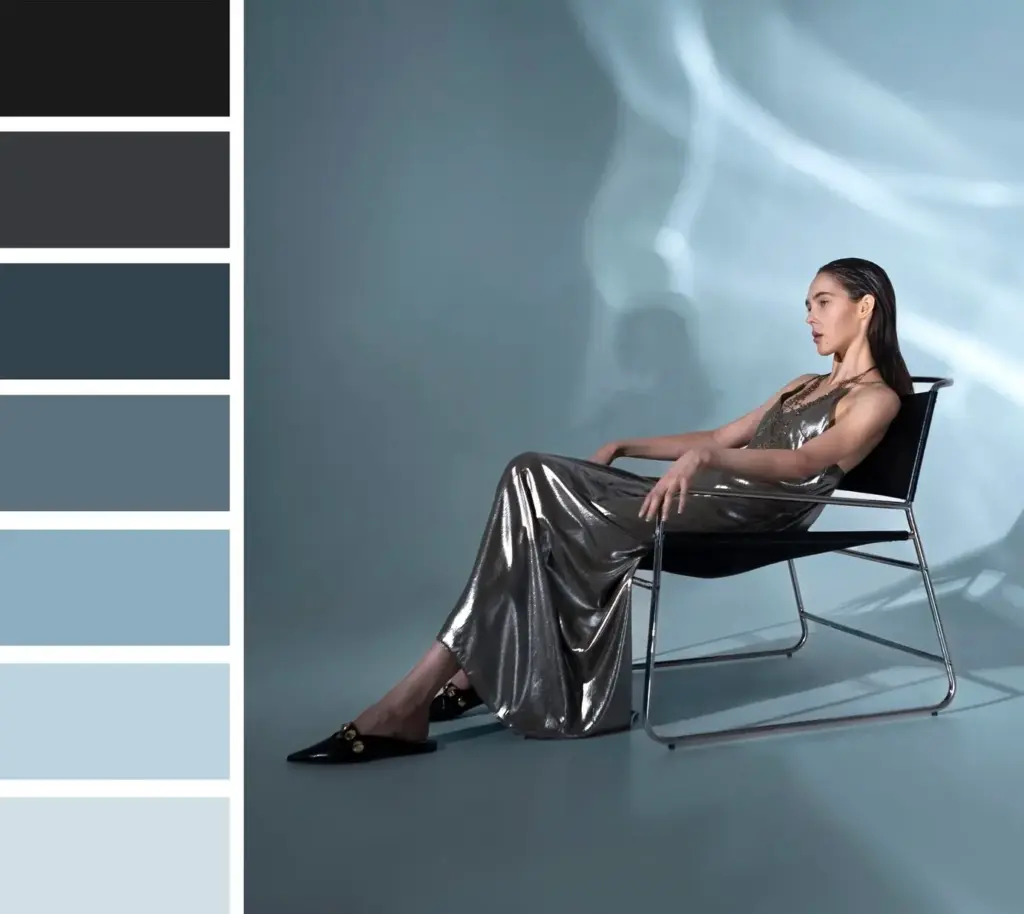
Limit your palette to a few tones repeated across rooms: one dominant neutral, one supporting neutral, and one accent. Carry those colors through textiles, art mats, and accessories to build calm continuity. Monochrome spaces feel sculptural and professional, minimizing visual clutter. Even mismatched inherited pieces harmonize when united by consistent color, instantly raising perceived quality and cohesion.

Materials, Finishes, and Touchpoints

People judge quality where the hand meets the home: handles, faucets, textiles, and tabletops. Upgrading these touchpoints pays oversized dividends. A smooth drawer glide, linen napkins, velvet pillows, or a weighted knob quietly signals care. Mix matte and sheen thoughtfully, balancing warmth and cool tones. Use subtle contrasts to frame your best pieces and simplify weaker ones.

Create a Focal Anchor

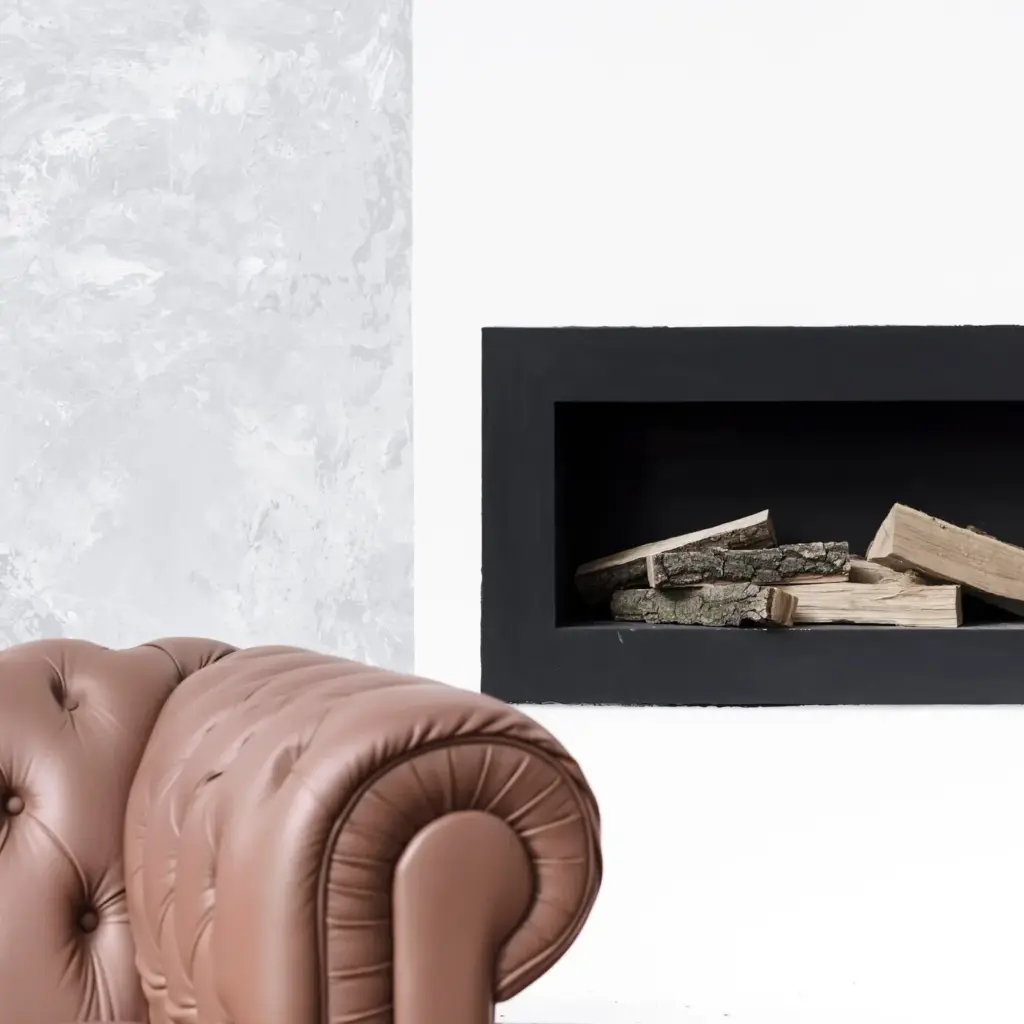
Choose the fireplace, a large artwork, or a styled bookshelf as your anchor. Center furniture and lighting decisions around it, allowing supporting elements to step back. Anchors simplify choices, reduce impulse buys, and make modest items appear curated. When attention is guided, the room feels expensive because nothing competes; everything contributes to a clear, confident narrative.

Vignettes with Narrative

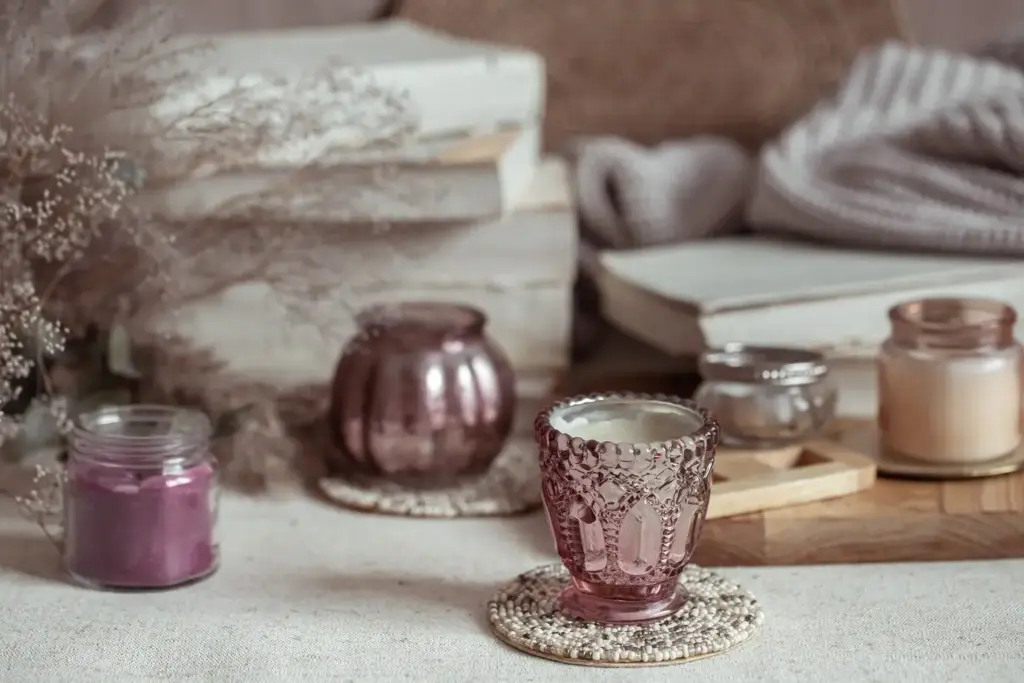
Compose small scenes on consoles or coffee tables: a stack of books, a sculptural object, a candle, and seasonal greenery. Vary height and texture, repeat one color, and include something organic. Rotate items monthly to refresh without spending. When vignettes tell a story—travel, a hobby, a mood—affordable pieces feel personal, thoughtful, and surprisingly elevated to guests and photographs.

Negative Space as Luxury

Resist filling every wall or shelf. Leave purposeful gaps around art and furniture so each silhouette reads cleanly. Luxury boutiques model this restraint because emptiness implies confidence. It costs nothing and improves everything. Edit weekly, return excess to storage, and reintroduce only what serves the story. The resulting calm amplifies quality, letting materials and light fully shine.
DIY Illusions That Convince

Some of the most convincing upgrades rely on optical cues: taller lines, defined planes, and crisp transitions. You can trick the eye with molding, curtain placement, and grout refreshes that sharpen geometry. When angles look deliberate and surfaces feel continuous, the brain reads “custom.” These projects require patience more than money, rewarding care with lasting, expensive-looking results.

Picture-Frame Molding Magic

Add inexpensive picture-frame molding to flat walls, then paint wall and trim one color for a bespoke effect. Use a laser level, pre-paint strips, and spackle joints for clean lines. The shadow play adds depth, making even basic rooms feel architectural. Paired with a simple rug and restrained art, the space reads custom without contractor-level expense.

Curtains that Kiss the Ceiling

Mount rods close to the ceiling and extend them wider than the window to create height and generous folds. Hem panels to barely skim the floor, steam thoroughly, and use uniform rings. Light-filtering fabric in a natural texture diffuses daylight beautifully. This one adjustment lifts the entire room, making budget windows appear grander, tailored, and decidedly elegant.

Grout, Caulk, and Surface Refresh

Clean or recolor grout to brighten tile instantly, then run a neat bead of caulk where surfaces meet. Replace cracked switch plates and align outlet covers. Add durable contact paper inside drawers for a fresh interior surprise. These crisp edges and clean boundaries communicate maintenance and care, quietly upgrading perception every time someone reaches, touches, or glances.

Smart Sourcing and Ongoing Care
Finding value is a skill, and upkeep protects that investment. Learn where to hunt for secondhand treasures, how to evaluate materials quickly, and when to negotiate. Then maintain the glow with simple routines: laundering textiles properly, conditioning wood, and rotating accessories seasonally. Share your finds and questions with our community so we can celebrate wins and learn together.

Thrift Like a Pro

Visit estate sales early, set alerts on local marketplaces, and favor categories that price below quality—solid wood tables, wool rugs, and vintage lighting. Bring measurements, a flashlight, and touch-up supplies. Imperfections can be assets if structurally sound. By buying pre-loved, you stretch your budget while adding character that mass-market pieces rarely match, especially when thoughtfully restored.

Quality Tests in Seconds

Check drawers for dovetail joints, flip chairs to inspect joinery, and test weight distribution by gently rocking. Real wood shows grain variation; veneers reveal repeating patterns. Fabrics with dense weave resist pilling. Metals should feel cool and consistent in finish. These quick assessments prevent regret, enabling confident decisions that make even bargain purchases present as enduring and refined.
Xomevixovomukepimafo
Privacy Overview

This website uses cookies so that we can provide you with the best user experience possible. Cookie information is stored in your browser and performs functions such as recognising you when you return to our website and helping our team to understand which sections of the website you find most interesting and useful.