Curating Furniture and Art with Low‑Key Sophistication
Today we explore curating furniture and art for low-key sophistication, celebrating restraint, warmth, and enduring character over spectacle. We’ll lean into honest materials, balanced scale, and purposeful placement that allows each piece to breathe. Expect practical guidance, lived-in anecdotes, and gentle prompts that help you edit confidently. Share your questions or favorite finds in the comments—your perspective enriches this evolving conversation about homes that feel grounded, personal, and quietly unforgettable.

Quiet Foundations: Palette, Materials, and Scale
A palette that whispers

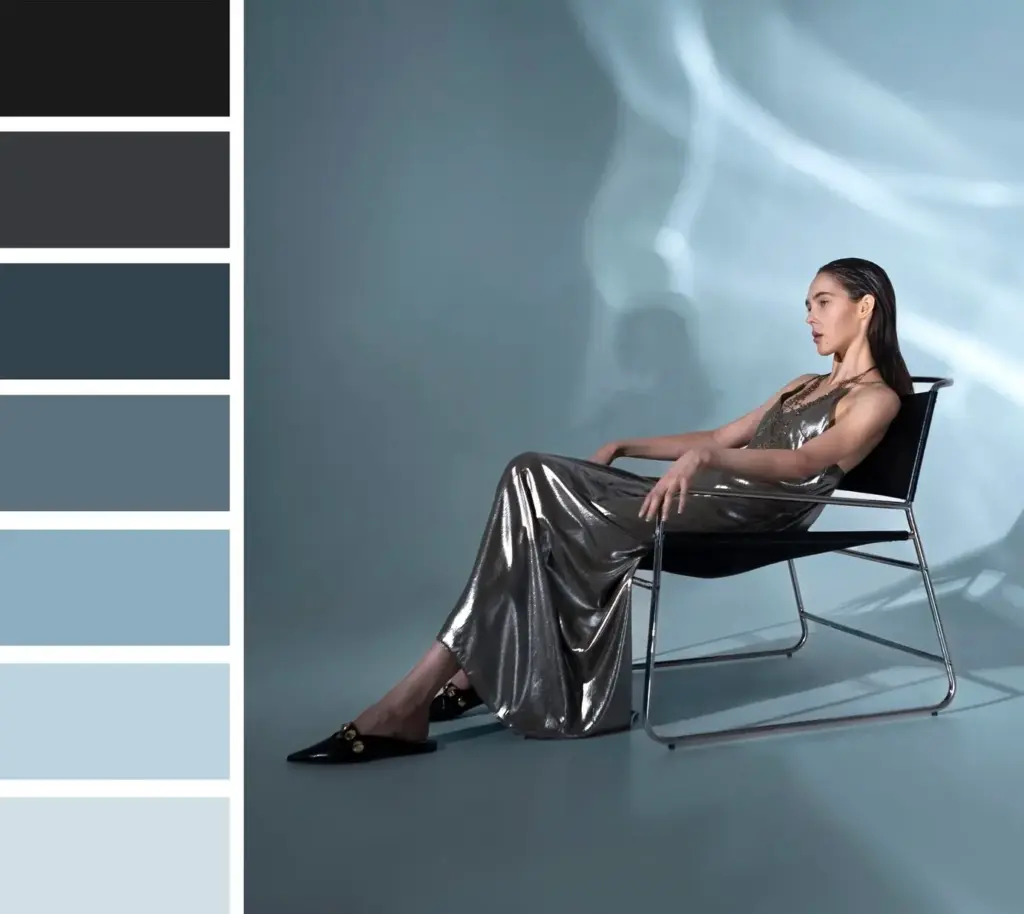
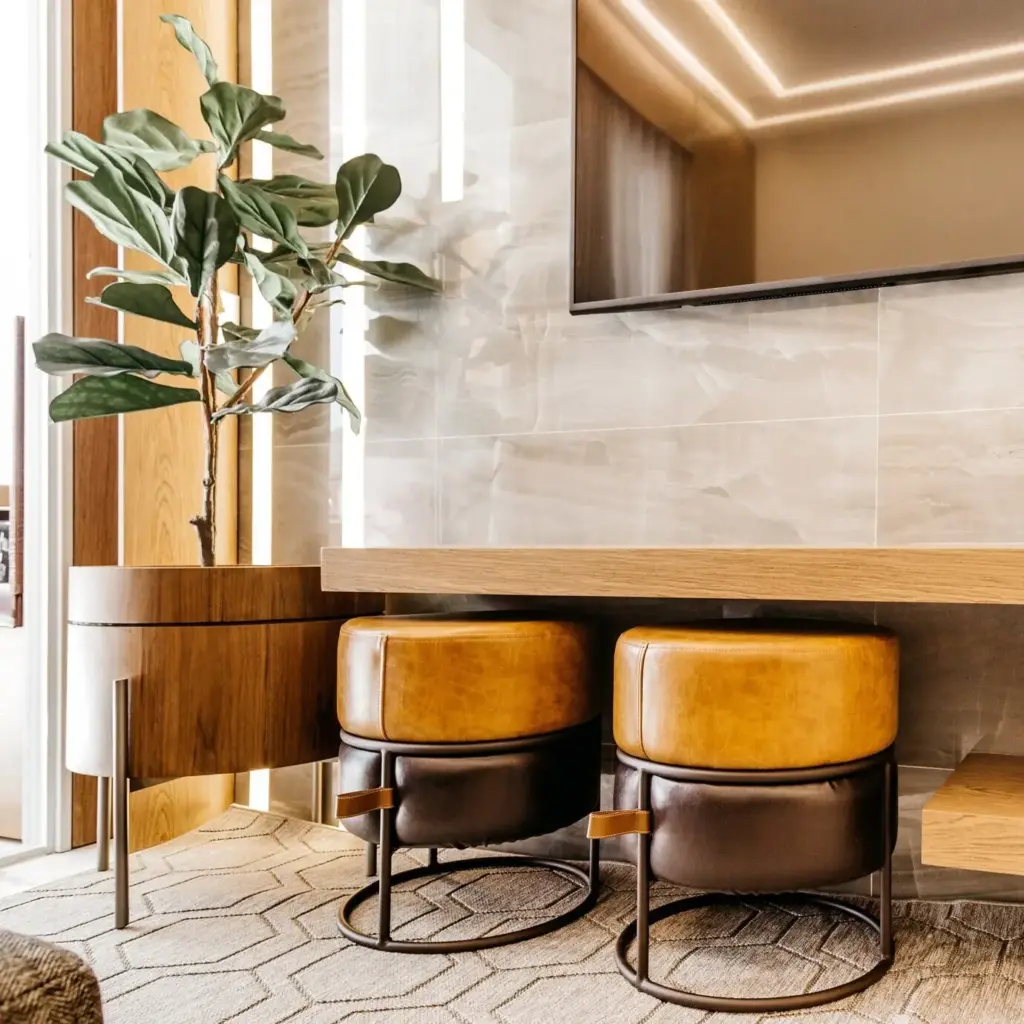
Choose a family of tones that belong together—warm whites, soft mushroom, pale olive, smoked oak, inky charcoal. Let accents emerge from materials rather than loud pigments. When walls and textiles quiet down, art gains presence and furniture reads sculpturally. Subtle shifts between matte and lustrous surfaces add depth, while a limited palette helps disparate pieces—vintage or new—feel naturally related without forced matching.

Materials that age gracefully

Choose a family of tones that belong together—warm whites, soft mushroom, pale olive, smoked oak, inky charcoal. Let accents emerge from materials rather than loud pigments. When walls and textiles quiet down, art gains presence and furniture reads sculpturally. Subtle shifts between matte and lustrous surfaces add depth, while a limited palette helps disparate pieces—vintage or new—feel naturally related without forced matching.

Proportion and breathing space

Choose a family of tones that belong together—warm whites, soft mushroom, pale olive, smoked oak, inky charcoal. Let accents emerge from materials rather than loud pigments. When walls and textiles quiet down, art gains presence and furniture reads sculpturally. Subtle shifts between matte and lustrous surfaces add depth, while a limited palette helps disparate pieces—vintage or new—feel naturally related without forced matching.

Collecting with Intention: How to Choose What Belongs

Seek objects that carry a meaningful story—yours or someone else’s. It might be a flea-market bowl with a chip that recalls Sunday coffee, or a student print discovered at a studio sale. When the narrative is real, you will keep the piece through trends and seasons. Stories do not need to be dramatic; they simply need to be honest, making each glance feel like a small reunion rather than decoration.
Resist the urge to fill space quickly. Sit with emptiness while you save for craftsmanship that lasts. Inspect joints, finishing, and materials. Choose solid wood over veneer when possible, wool over acrylic, real linen over polyester blends. A home assembled at a humane pace develops cohesion naturally. Editing becomes easier too, because fewer, better pieces ask less of you and more of themselves, radiating quiet confidence without pleading for attention.
Invite dialogue between periods and styles. A mid-century floor lamp beside a humble Shaker-inspired bench can feel unexpectedly right when their lines share restraint. Contemporary art near an antique chest adds tension that reads intelligent rather than ironic. The link is not matching; it is attitude: clarity of proportion, integrity of materials, and the kind of humility that lets each item serve rather than perform.

Composing the Room: Placement, Rhythm, and Negative Space

Composition transforms good pieces into a grounded experience. Think like a conductor: establish a steady baseline, introduce a few quiet solos, leave generous pauses. Align furniture with architectural sightlines, control heights to avoid visual noise, and group objects by relationship rather than category. Negative space becomes an active ingredient, giving the eye permission to rest so subtle textures, patinas, and brushstrokes can truly be felt.

Anchors and accents

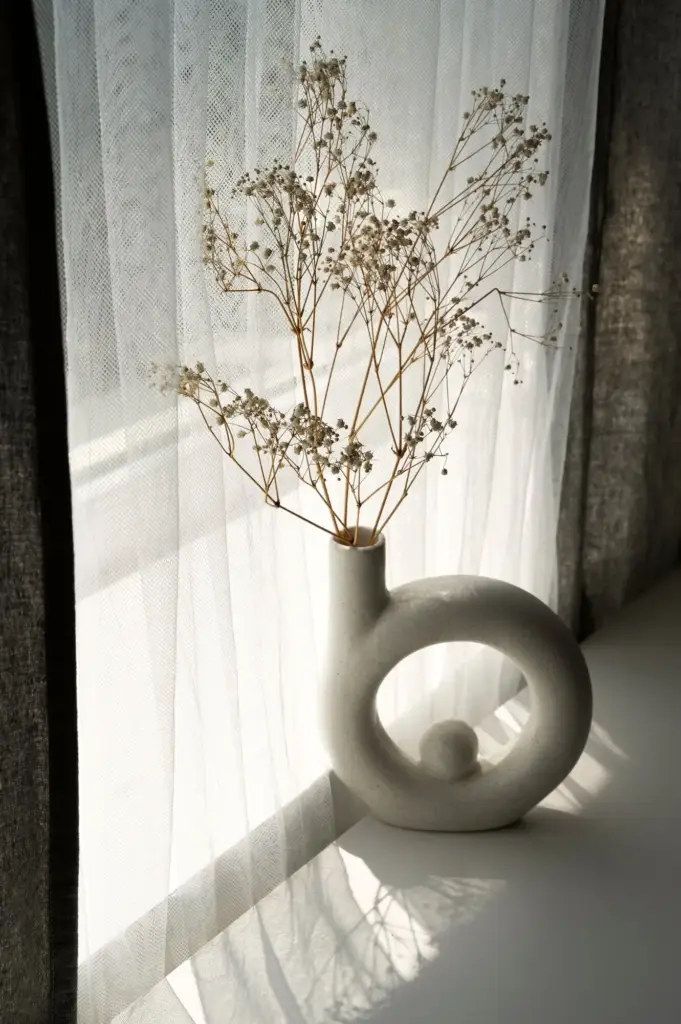
Choose one or two anchors—a sofa with beautiful tailoring, a dining table with honest joinery—and let smaller accents orbit calmly. Use the anchors’ geometry to position side chairs and lighting with intention. When the principal forms are settled, accents like a ceramic vase or small drawing land with more meaning, because they support the composition rather than scramble it. The result is balance that feels inevitable, not arranged.

The power of pause

Leave stretches of wall unadorned. Let a bookshelf breathe between clusters. Allow a tabletop to show wood grain beside a single stone. Silence makes the music legible. When every surface is busy, nothing feels important; when some remain spare, small gestures glow. Pauses also help circulation, creating paths that invite slow meandering rather than hurried dodging, which is the essence of understated elegance and everyday ease.

Rhythm through repetition

Repeat forms and finishes softly to create cohesion: three instances of matte black, recurring ovals, or a gentle echo of oak from frame to stool. Repetition should hum, not chant—noticeable only when you look for it. This rhythm steadies the room’s pulse, so a single unexpected move, like a cobalt vessel or graphite sketch, feels intentional rather than jarring, keeping the mood composed and comfortably alive.

Art that Breathes: Framing, Grouping, and Light

Art thrives when given dignity and calm. Choose framing that supports rather than competes, hang at human eye level, and allow pieces to converse across a room. Consider mat widths that create visual silence, and use anti-glare glass where reflections would distract. Place lighting intentionally—warm, dimmable, and gentle—so pigments, texture, and negative space are respected. The goal is an atmosphere where looking feels restorative, not demanding.

Texture as Voice: Fabrics, Finishes, and Touch

Texture carries low-key rooms beyond neutrality into richness. Pair soft with structured, matte with faint sheen, coarse with smooth. A velvet pillow against nubby linen, or limewash beside planed oak, can create a quiet harmony that rewards touch. Prioritize natural, breathable fibers and finishes you want to live with daily. When the hand feels right, the eye relaxes, and the entire space settles into calm authenticity.

Living with the Collection: Care, Evolution, and Personal Rituals

A low-key, sophisticated home is a living conversation. Pieces arrive, shift, and sometimes depart as you refine what truly serves your life. Care becomes part of the beauty—oiling wood, steaming linen, dusting frames with gentleness. Seasonal re-hangs, small swaps, and mindful pauses keep rooms emotionally accurate. Invite friends to respond to arrangements, and notice how each comment becomes guidance. Sophistication grows through listening as much as selecting.
Xomevixovomukepimafo
Privacy Overview

This website uses cookies so that we can provide you with the best user experience possible. Cookie information is stored in your browser and performs functions such as recognising you when you return to our website and helping our team to understand which sections of the website you find most interesting and useful.