Quiet Luxury, Rooted in Nature

Today we explore Natural Materials and Textures for Understated Luxury Interiors, letting stone, timber, wool, linen, clay, and softly aged metals speak through light, proportion, and touch. Instead of flashy finishes, we favor depth, breathability, and honest craft that grows more beautiful with use. Expect practical guidance, maker stories, and small changes you can try this week. Share your questions, lessons learned, or favorite sources at the end, and subscribe for more field-tested insights that nurture calm, enduring, quietly radiant spaces.

A Material Language That Breathes

Stone that Grounds

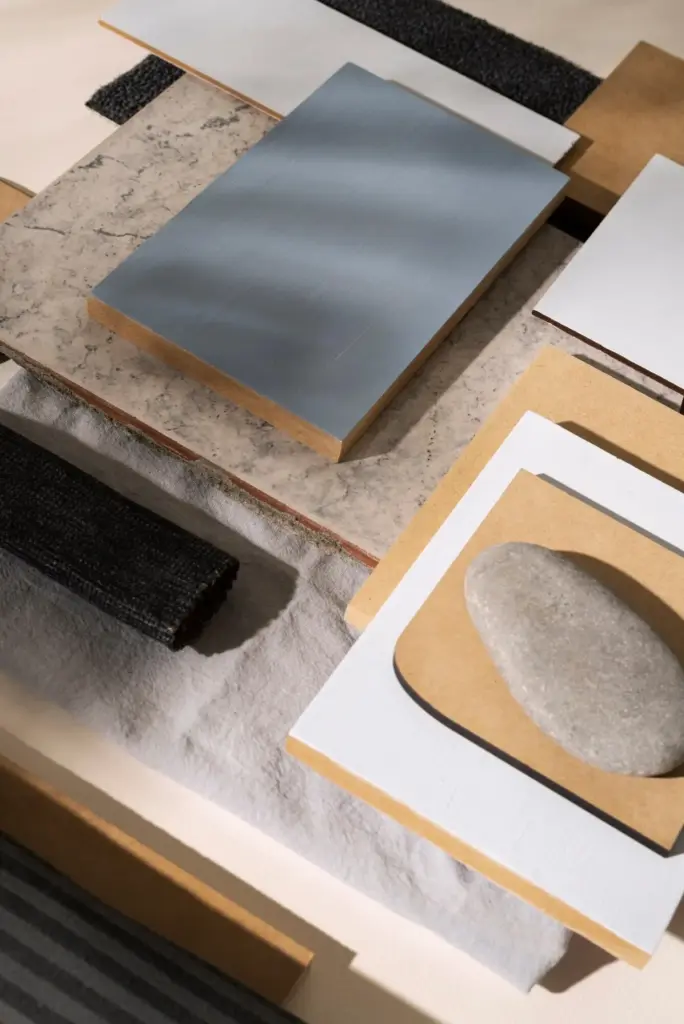
Honed limestone, vein-cut travertine, and tumbled marble feel calmer than polished slabs, catching raking light and muting reflections. Travertine’s open voids tell geological time, while terrazzo offers character with resilience. Seal lightly to resist stains, yet allow breathing. A client once fretted over a water ring on a marble table, then realized the soft halo marked family dinners cherished for years. When stone holds memory without drama, rooms inherit gravitas. Tell us how you balance patina, practicality, and daily rituals.

Timber with Soul

Quarter-sawn oak reads serene, its medullary rays quietly shimmering; walnut offers chocolate depth; ebonized ash brings shadow without gloss. Consider oil or soap finishes that keep grain tactile and repairable, especially in kitchens or entries. Look for FSC certification and responsible mills; provenance shapes conscience as much as character. Expect movement with seasons; allow thoughtful gaps. When you run your hand along a raw edge and it feels like home, you’ve chosen well. Share finishes that age kindly in your climate.

Metals that Whisper

Unlacquered brass, patinated bronze, and blackened steel lend warmth without glare, evolving with touch and time. Avoid mirror polish; brushed or burnished surfaces diffuse highlights and honor nearby textures. Expect fingerprints early, a graceful glow later; a little wax keeps things even. Hardware, lamp shades, and table edges become quiet punctuation, not exclamation marks. In a recent project, a single bronze rail guided the eye more gently than any art. Which living finish makes you smile rather than reach for cleaner?

Daylight Choreography

Map the sun’s path and let it choreograph use: breakfast in pooled light, reading near an east window, desk turned perpendicular to glare. Use wide sills and deep reveals to slow brightness. Linen sheers temper contrast, while adjustable louvers steer beams toward textured walls. Raking light across limewash creates living art that changes hourly. Photograph your space at morning, noon, and dusk, then adjust placement accordingly. Which corners glow most beautifully, and how might furniture or art honor that rhythm?

Evening Layers That Soothe

After sunset, layer ambient washes, task clarity, and pinpoint accents. A low, warm pendants above stone softens veining; shaded lamps near wool throws invite shoulders to drop. Use dim-to-warm LED or genuine filament bulbs for tender tonality. Hide sources in coves, beneath benches, or behind shelving lips to let light appear unforced. Create at least three separately dimmable zones per room. Share your favorite evening routine—do you begin with a single lamp, then add glow as conversations deepen?

Color, Reduced to Its Essence

Nature’s palette feels restful when filtered through restraint. Think clay, sand, oat, smoke, and olive bark—tones that hold hands with timber and stone instead of competing. Skip stark whites; choose chalky off-whites with a hint of warmth. Layer undertones consistently to prevent flicker between rooms. A quiet accent—oxidized green, indigo-dyed linen, or rusted terracotta—can anchor without noise. We once matched limewash to local river rock, and guests felt inexplicably at ease. Share pigments that steady your breathing.

Craft, Provenance, and Responsibility

Real ease comes when beauty and ethics align. Choose pieces whose makers you can name, whose methods you understand, whose materials are traceable and kind. Commission when possible; collaboration invites nuance machines miss. Vintage and reclaimed elements reduce impact while adding character. Ask vendors hard questions about finishes and supply chains. A home that respects the earth’s pace invites deeper rest. If you’ve discovered a thoughtful craftsperson or material steward, share their story so others can support and learn.

Choosing Makers, Not Just Products

Visit workshops, even virtually. Ask how timber is dried, how stone is cut, how metals are patinated. A chair built by a person you’ve met carries presence beyond its silhouette. Makers help troubleshoot realities of humidity, weight, and maintenance before mistakes multiply. Pay fairly and plan timelines generously; rushed craft rarely whispers. Document processes to remember choices years later. Recommend artisans you trust in the comments, and tell us how collaboration shifted your expectations of quality, pace, and patience.

Sourcing With Integrity

Look for FSC-certified woods, low-VOC finishes, and lime-based plasters that let walls breathe. Choose regional stone to reduce transport and match local light. Ask about recycled content in terracotta or wool. Verify that metal finishes are free from harmful lacquers when you want living patina. Create a sourcing checklist you revisit with each project. It simplifies decisions under pressure and keeps values visible. Share your favorite certifications, hidden pitfalls, and suppliers who consistently align stewardship with beautiful, quietly resilient results.

Longevity as the Highest Form of Ease

Buy once, maintain well, and invite aging. Soap-finished oak can be renewed with a cloth; wool rugs rebound naturally; linen softens with every wash. Consider repairability when choosing hardware or lighting. Nothing is more luxurious than a surface improving each year without anxiety. Track what endures gracefully in your home and what demands fussy upkeep. Let that evidence guide future choices. What have you owned for a decade that looks better today, and what would you replace with a calmer, sturdier alternative?

Comfort You Can Feel With Eyes Closed

Understated does not mean austere. It means senses are nourished without spectacle: wool underfoot, linen that breathes, clay that regulates humidity, and edges softened by rounded profiles. Acoustic comfort matters as much as visuals; so does scent and temperature. Consider radiant heat beneath stone, ceiling fans with wooden blades, and generous drapery pooling slightly. Invite pauses with a bench beside sunlight. Tell us which tactile rituals—barefoot mornings, reading nooks, window seats—anchor your days and help rooms earn their calm.
Layer natural fibers for nuanced comfort: heavy linen for drapery, bouclé wool for chairs, alpaca throws for lofted warmth, and hand-knotted rugs that quiet footsteps. Aim for breathable, natural blends over synthetics that trap heat. Prewash linen or choose stonewashed for softness. Consider reversible cushions with different weaves for seasonal change. Treat stains compassionately rather than fearfully. Share textile combinations that survive pets, kids, or beach sand gracefully, and the care routines—sun airing, gentle brushing—that keep everything feeling freshly welcoming.
Hard surfaces can sparkle, but they need balancing. Introduce cork underlay, felt pads beneath chairs, upholstered panels, and layered rugs to soften reverberation. Rounded edges on stone or timber prevent visual and tactile harshness. Books, tapestries, and woven baskets add micro-absorption while telling stories. Test a room by clapping; if echoes linger, add absorbent textures at ear level. Tell us which small changes—a wool runner, heavier curtains, or even a single tapestry—made conversations warmer and evenings linger longer without effort.

Editing, Proportion, and Negative Space
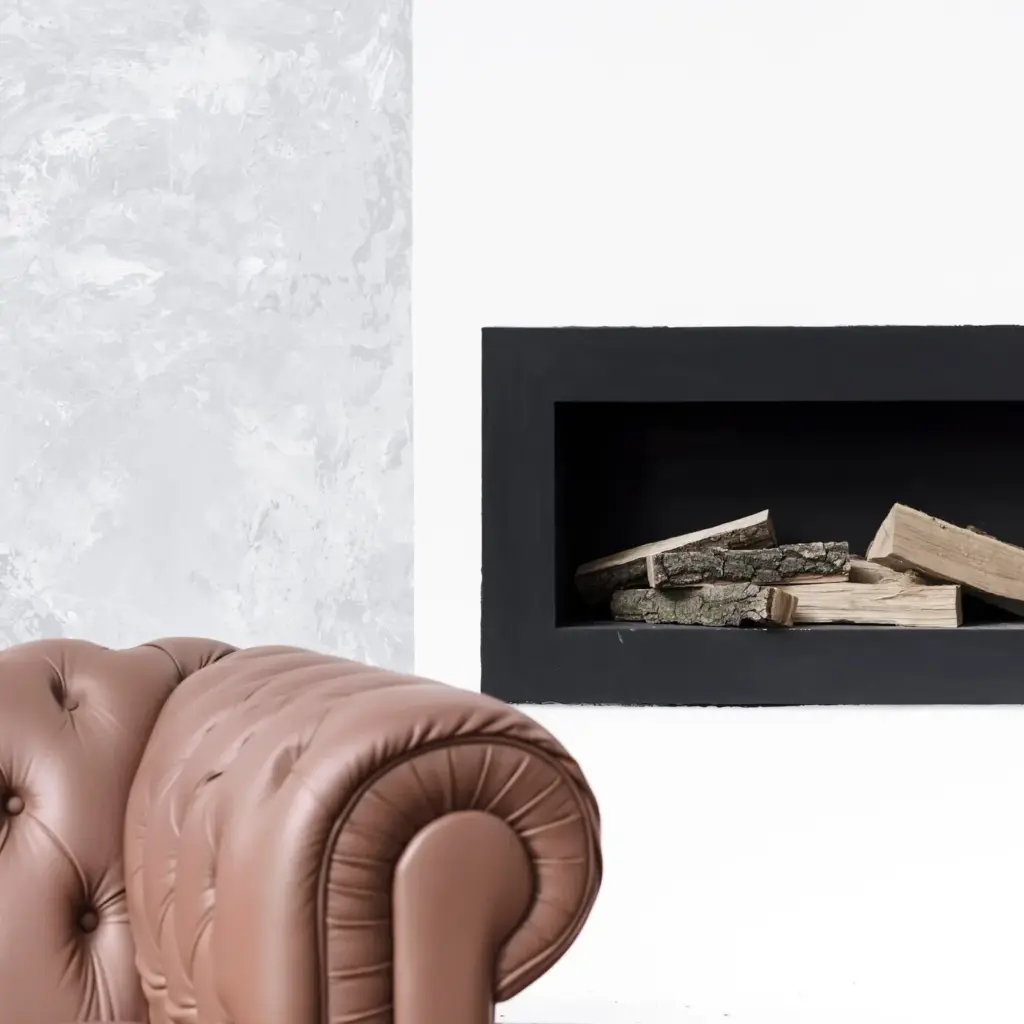
Calm rooms honor space around objects as much as objects themselves. Choose fewer pieces, larger in scale, and give them air. Align edges, center sightlines, and let traffic lines remain generous. Visual pauses allow textures to speak. Curate storage so surfaces stay clear without sterility. If something lovely fights for attention, it probably needs solitude. Try removing rather than adding. Share before-and-after snapshots when you edit; collective examples help others trust restraint and celebrate the relief that follows intentional subtraction.
Xomevixovomukepimafo
Privacy Overview

This website uses cookies so that we can provide you with the best user experience possible. Cookie information is stored in your browser and performs functions such as recognising you when you return to our website and helping our team to understand which sections of the website you find most interesting and useful.